What renters insurance covers and why Indiana tenants need it
If you rent an apartment, house, or condo in Indiana, your landlord's insurance policy does not cover your belongings, your personal liability, or your living expenses if a disaster forces you out. That gap is exactly what renters insurance fills, and understanding what does renters insurance cover is the first step toward protecting everything you've worked for. Coverage is typically affordable, often running $15 to $30 a month in Indiana, and it packs a surprising amount of protection into that small premium.
Personal property coverage: protecting what you own
The core of any renters policy is personal property coverage . It pays to repair or replace your belongings when they are damaged or destroyed by a covered event. Most policies cover a long list of perils, including:
- Fire and smoke : one of the most common and financially devastating losses renters face
- Windstorm and hail : a real concern in Indiana, where severe spring and summer storms can damage roofs and break windows, sending water and debris inside
- Theft and vandalism : covers stolen electronics, jewelry, and other valuables whether the theft happens at home or, in many cases, out of your car
- Water damage from burst pipes : covers sudden and accidental discharge, though gradual leaks from neglect are typically excluded
- Lightning strikes : damage to electronics and appliances caused by a direct strike or power surge is commonly covered
- Weight of ice and snow : relevant in Indiana winters, particularly in areas like North Vernon, Versailles, and Lawrenceburg where heavy snow loads can stress older structures
One important distinction to understand before you buy: actual cash value (ACV) versus replacement cost value (RCV) . ACV pays what your stuff is worth today after depreciation. That five-year-old laptop may have cost $900, but its ACV could be $200. RCV pays what it actually costs to replace the item with a comparable new one. RCV coverage costs a bit more, but for most renters it is worth the difference.
Take a few minutes to add up the value of your furniture, electronics, clothing, kitchen gear, and appliances. Most renters are surprised to find they own $20,000 to $40,000 worth of stuff, sometimes more. That number tells you how much personal property coverage to carry.
Liability coverage: protection when accidents happen
Personal property gets most of the attention, but liability coverage is arguably the most important part of your renters policy. It protects you when you are legally responsible for bodily injury or property damage to someone else.
A few realistic scenarios:
- A guest slips and falls : a friend trips on a rug in your apartment and breaks a wrist. Medical bills and a potential lawsuit can add up fast without liability coverage.
- Your dog bites a neighbor : Indiana does not follow strict liability rules in every situation, but dog bite claims are still common and expensive. Many renters policies include dog bite liability, though some breeds may be excluded.
- You accidentally cause water damage to a unit below : a bathtub overflow or forgotten running sink that damages a downstairs neighbor's unit could make you financially responsible for their losses.
- A fire you start spreads to another unit : if a forgotten candle or stove fire damages neighboring apartments, your liability coverage can pay for those repairs so you are not personally on the hook.
Standard renters policies typically include $100,000 in liability coverage , with options to increase to $300,000 or more. A single lawsuit can easily exceed $100,000, so many tenants choose the higher limit. If you want broader protection, a personal umbrella policy in Indiana can add $1 million or more of liability coverage on top of your renters policy.
Additional living expenses: when you can't stay home
Additional living expenses (ALE) , sometimes called loss of use coverage, pays when a covered loss makes your rental unit uninhabitable. If a fire guts your apartment and you have to stay in a hotel while repairs are made, ALE pays for:
- Hotel or temporary housing costs above what you would normally pay in rent
- Restaurant meals if you have no kitchen access (above your normal grocery spending)
- Pet boarding if your temporary housing does not allow animals
- Laundry and storage costs you would not normally incur
ALE is usually capped at a percentage of your personal property limit, often 20 to 30 percent, or at a flat dollar amount. Displaced renters in Indiana can face weeks or months of temporary housing costs, especially in rural areas where hotel options are limited. Confirm your ALE limit is realistic before a claim happens.
What renters insurance does not cover
Knowing the exclusions matters as much as knowing the coverage. A standard renters policy will not pay for:
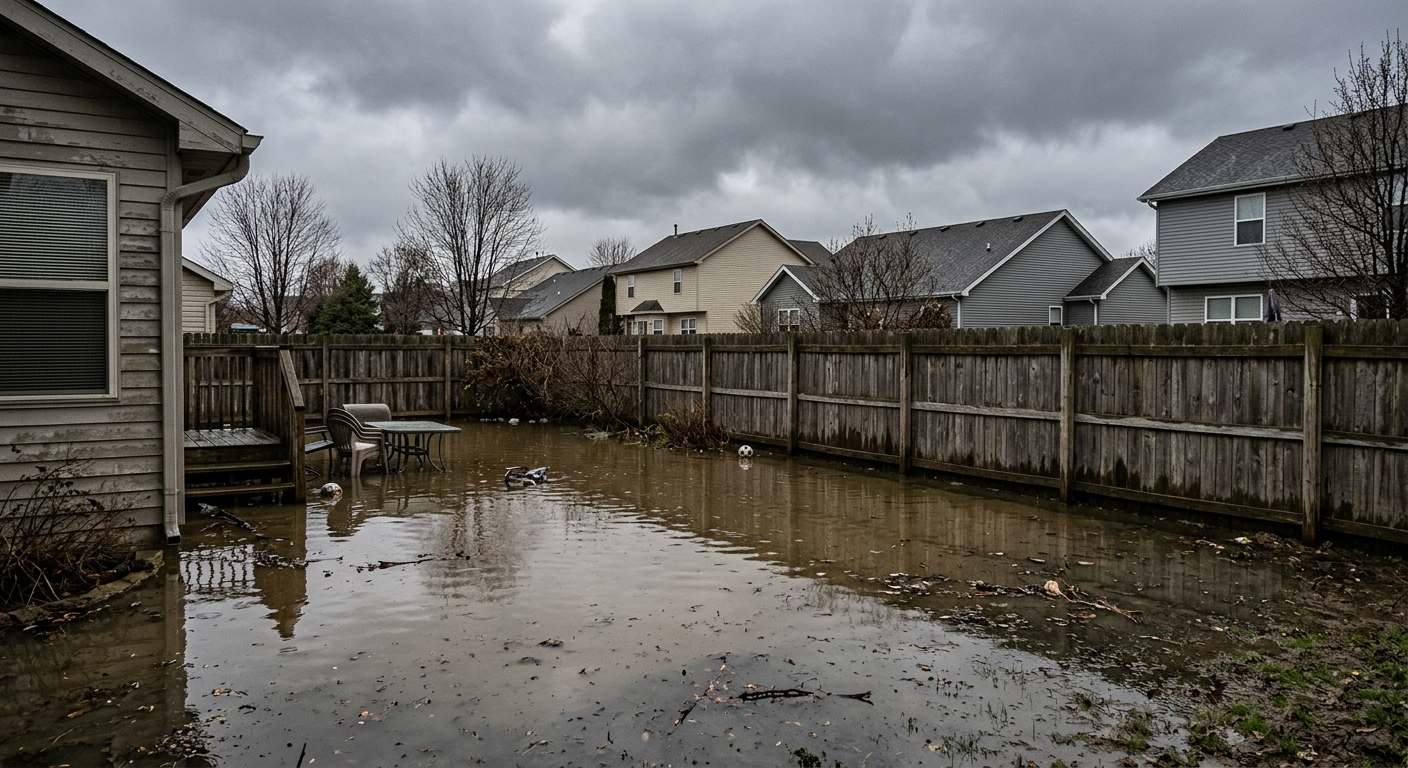
- Flood damage : rising water from a river, heavy rain, or overland flooding is excluded. Indiana has significant flood risk along the Ohio River and in many low-lying areas. Separate flood insurance through the National Flood Insurance Program (NFIP) or a private carrier is the only way to cover flood losses.
- Earthquake damage : Indiana sits near the New Madrid Seismic Zone, which makes this exclusion worth noting. Earthquake coverage can sometimes be added as an endorsement.
- Roommate's belongings : your policy covers you and your household family members. A roommate needs their own renters policy unless they are specifically listed on yours.
- Business equipment : if you run a home-based business, your business inventory and equipment may have limited or no coverage under a personal renters policy. A separate business policy or endorsement covers that gap.
- Motorized vehicles : your car is not covered under renters insurance. Auto insurance handles vehicle damage and liability.
- Intentional damage : losses you cause on purpose are not covered.
High-value items like jewelry, firearms, musical instruments, and fine art may also have sub-limits (often $1,000 to $2,500 per category) under a standard policy. A scheduled personal property endorsement can increase coverage for those specific items.
How much renters insurance do Indiana tenants actually need?
The right coverage amounts depend on your situation. Here is a practical starting framework for Indiana renters:
- Personal property: complete a home inventory (photos plus estimated replacement values) and insure at least that total. Most Indiana renters land between $20,000 and $50,000.
- Liability: start at $100,000 minimum, but strongly consider $300,000 if you own a dog, regularly host guests, or have any meaningful assets to protect.
- Additional living expenses: confirm the ALE limit covers at least 2 to 3 months of equivalent housing in your area, especially in smaller markets where options may be limited.
- Deductible: a $500 deductible is common. Raising it to $1,000 can reduce your premium, but only if you can comfortably cover that amount out of pocket after a loss.
Indiana does not require renters insurance by state law, but many landlords in cities like Lawrenceburg, North Vernon, and elsewhere now require it as a lease condition. Even where it is not required, the coverage pays for itself many times over after a single significant loss.
Get the right renters policy for your Indiana rental
Hardy Insurance Group is an independent insurance agency serving renters across Indiana. Because we work with multiple carriers, we can compare options side by side and find a policy that fits your budget and your actual coverage needs, not just the cheapest bare-bones option. We serve renters in communities throughout the region, including Lawrenceburg and North Vernon, and we are happy to walk you through your options in plain language.
If you are also curious how renters coverage fits into a broader personal insurance picture, our personal insurance page covers the full range of policies we offer Indiana residents.
Ready to see what renters insurance costs for your specific situation? Contact Hardy Insurance Group online or call us at (812) 689-5136 to get a fast, no-pressure quote. A few minutes today can mean thousands of dollars protected tomorrow.